Blog ·
Handling a Flat Tire: Your Essential Roadside Guide
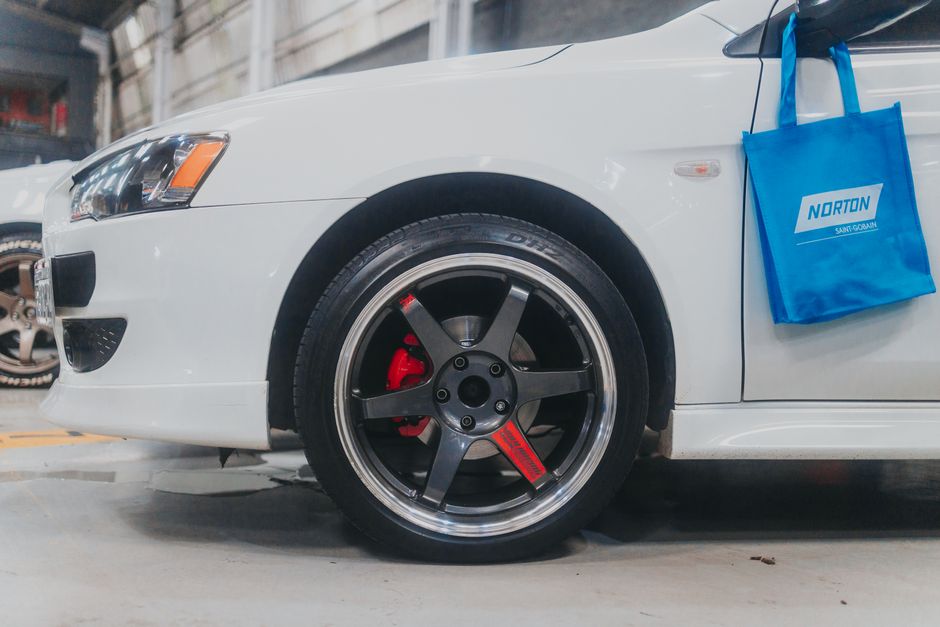
Getting a flat tire is one of those frustrating moments every driver faces eventually. Whether you're on a busy highway or a quiet country road, knowing what to do can make the experience much safer and less stressful. Here's a practical guide to help you handle this common situation and get back on the road.
Prioritize Your Safety First
As soon as you notice a flat, safely pull over away from traffic. Turn on your hazard lights and, if available, set up warning triangles or flares behind your vehicle. This signals to other drivers that you've stopped and prevents collisions. If you're on a major highway, consider moving away from your vehicle while waiting for help. Never attempt tire work in unsafe positions.
Assess the Damage
Once you're safely positioned, examine your tire carefully. A flat tire might be completely deflated or just slowly leaking. Look for visible punctures, debris, nails, or damage. Some flats can be temporarily sealed with a plug kit, while others require complete replacement. Even small punctures can become serious if driven on, potentially damaging your wheel rim and suspension components.
Know Your Tire Condition
This is a critical moment to consider your tire's overall health. If your tire has already needed repairs or rotations were overdue, replacement might be your best option rather than a quick patch. At Crestnivo, we recommend that flat tires always receive professional inspection. What appears to be a simple puncture could indicate deeper issues that require alignment or replacement services.
Get Professional Help
Whether you use a spare tire or call for roadside assistance, the next step is professional evaluation. Don't assume a patched or temporarily repaired tire is roadworthy long-term. Our precision tire installation service ensures any replacement is mounted correctly and balanced, restoring your vehicle's performance and safety standards.
Prevent Future Flats Through Maintenance
Flat tires often result from worn tread or improper tire pressure, both preventable through routine tire rotation and maintenance. Regular rotation distributes wear evenly and extends tire life significantly. Seasonal changes also affect tire pressure, making routine checks essential before winter and summer transitions.
Consider Secure Storage for Off-Season Tires
If you use seasonal tires, proper storage prevents damage that could lead to flats down the line. Crestnivo's secure tire storage service protects your off-season tires in climate-controlled conditions, ensuring they're ready for installation when needed. This eliminates concerns about damage or deterioration while they're not in use.
Getting a flat tire doesn't have to derail your day. By following these steps and ensuring regular professional maintenance through rotation and seasonal storage, you can minimize future flat tire incidents and keep your vehicle running smoothly.